Case Study:How Non-Surgical Knee Treatment Helped a Patient Move with More Confidence
The Challenge: Knee Pain Was Taking Over His Routine
A 52-year-old patient visited Dr Ankit Meshram after experiencing persistent knee pain for several months. He was experiencing an increasing amount of pain. Even climbing, sitting, walking, and doing regular activities was painful.One of the things the patient was especially worried about was:“Will I require knee replacement surgery in the future?”He was interested in seeing if he could treat his knee without surgery.
The Turning Point: Looking Beyond Painkillers
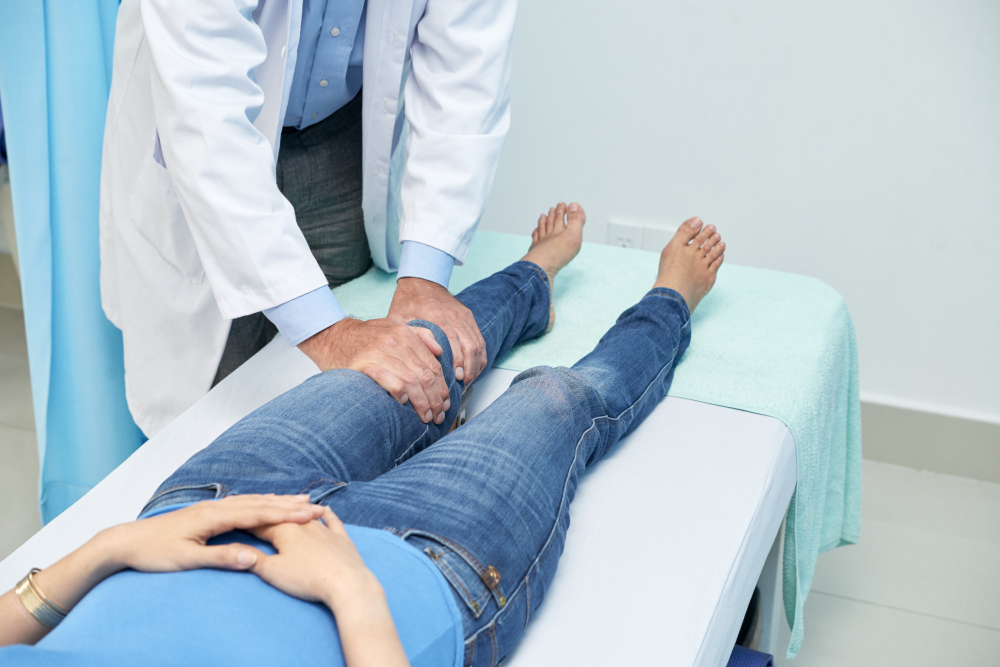
Dr. Ankit Meshram took a detailed clinical history and did a thorough examination of the patient's symptoms, mobility, medical and diagnostic information.Rather than surgery being the first recommendation, emphasis has been on the cause of the knee pain, and whether or not a non-surgical knee treatment approach might be suitable.The patient was informed that the treatment will be based on the severity of joint damage, his/her age, activity level, symptoms, and overall knee function.
The Solution: A Personalised Non-Surgical Approach:
Dr Ankit Meshram created a customised approach to care for the patient, which involved conservative treatment and pain management, with the goal of enhancing knee mobility and function without a surgical intervention.Treatment plan: The following were appropriate non-surgical treatment:
Special physiotherapy and strengthening exercises
Modification of activity to avoid unnecessary stress to the knee.
Provided clinically appropriate pain-management measures were provided.
Advice for keeping movements and joints healthy
Symptom and functional improvement monitoring is carried out regularly.
The patient was also informed about activities that might make his knee more painful and how he can gradually strengthen his knee to help with movement.
The Result
Consistent treatment and follow-up allowed the patient to have improved function in his daily activities.It was easier for him to walk and climb stairs, while movements were not as scary as before.Above all, the patient developed better insight into the state of his knee.In other words, he was less concerned about surgery and could concentrate on movement and strength.
Why This Case Matters
When you have knee pain, it does not automatically mean that surgery is the only treatment option.Some patients may be appropriate for a non-surgical knee treatmentapproach. Early assessment can help to determine treatment options before symptoms are more limiting.However, non-surgical treatment is not appropriate for every patient. It is important to have a specialist evaluation so that the proper course of action can be taken.
The Takeaway
Knee pain does NOT always mean “surgery next.”An individualized non-operative approach is one that can be employed to reduce symptoms and improve mobility in appropriate situations.If you have knee pain that is affecting your ability to do something, it might be wise to contact an orthopedic surgeon to find out about some of the treatment methods available to help with your knee pain.
Still in Pain?
Book a consultation now and take the first step towards pain-free living.