
Dr. Ankit Meshram
Orthopaedic Excellence
Dr. Ankit Meshram
Orthopaedic Excellence
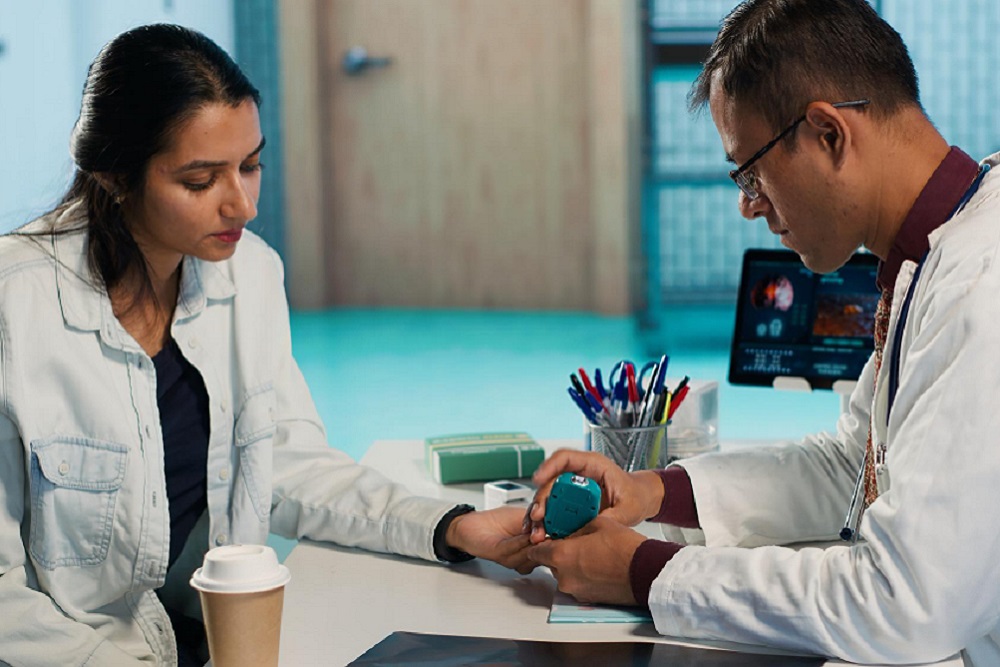
A 48-year-old patient consulted with Dr. Ankit Meshram, who is an orthopaedic specialist in Mumbai, due to a long-term issue of pain in his knees. The pain he was experiencing while walking, climbing stairs, and standing for long durations had become an issue.
The patient’s problem started as mild pain; however, with time, it had become a daily concern. The patient was worried that his dependence on pain medication was becoming excessive.
At the consultation, the patient reported that the knee pain started to increase in frequency slowly over time. Climbing stairs, getting up from sitting chairs, and walking farther distances were becoming uncomfortable.
Conservative treatment has been attempted, and although effective, it was not adequate to maintain the desired activity level with the patient.
The primary concern was simple: Could the knee pain be managed without immediately moving towards joint replacement surgery?
Dr. Ankit Meshram reviewed the patient’s symptoms, medical history, physical examination, and laboratory tests to identify the cause and best treatment plan for this problem.
Dr. Ankit Meshram after detailed clinical examination discussed various treatment options with the patient. Treatment was not standardised because each knee problem is unique, depending on the patient’s symptoms, the condition of the knee, and their health.
Orthobiologic Treatment may be used for some musculoskeletal/joint-related conditions for a suitable candidate.
Orthobiologics are biological products or agents that facilitate healing of the body. The options for orthobiologics include PRP therapy or other forms of biologics based on the condition of the patient.
Once the patient and her physician discussed the possible positive results, the limitations and the expectations, she chose to move forward with the Orthobiologic Treatment recommended by her physician.
Rather than looking at the knee pain as a ‘one-size-fits-all ‘ issue, Dr Ankit Meshram took a patient-centred approach.
The treatment process was:
The patient was also informed that there are individual variations in improvement and that the treatment with orthobiologics is not for everyone or for every knee condition.
There was an improvement in the patient’s knee pain and ability to carry out his activities following the prescribed course of treatment.
He was able to walk and climb stairs easily, which he could not do before.
Treatment was not directed solely at “getting the pain out of his/her way,” but on enhancing the patient’s functional abilities and allowing him or her to go back to everyday activities in a more pleasurable manner.
Dr. Ankit Meshram was able to track the patient’s development through follow-up visits, evaluating their progress and offering additional advice as needed.
Orthobiologic Treatment may be considered for some patients when conservative treatment methods have not provided satisfactory results and when the patient is looking for an alternative to surgery.
But not all orthobiologic procedures fit the bill. They depend on several factors: type and severity of the disease, health of the patient, clinical findings, and goals of treatment.
That is why it’s important to get a proper medical assessment before selecting any treatment.
The patient’s primary objective was to identify an effective management strategy that would allow him to manage his chronic knee pain without going down the pathway of a major surgical procedure.
After careful evaluation, Dr. Ankit Meshram planned the patient’s treatment and followed up on the care with appropriate treatment so that they could get better comfort and movement.
The case is an example of why it’s crucial to consider all available treatment options to avoid unnecessary surgery.
Chronic joint pain can become a problem with work, exercise, and daily activities. Some patients may need surgery, but for some the situation may be good enough to have an alternative non-surgical treatment.
After careful evaluation of the patient’s knee condition and goals, in this instance, Orthobiologic Treatment was indicated.
Dr. Ankit Meshram specializes in comprehending the patient’s condition prior to suggesting a treatment route. If knee or joint pain persists, an orthopaedic evaluation by a doctor can assist you in deciding if a conservative, orthobiologic or surgical treatment might be necessary.