

Robotic Knee Replacement Surgery: Advanced Robotic-Assisted Joint Replacement for Faster, Safer Knee Surgery
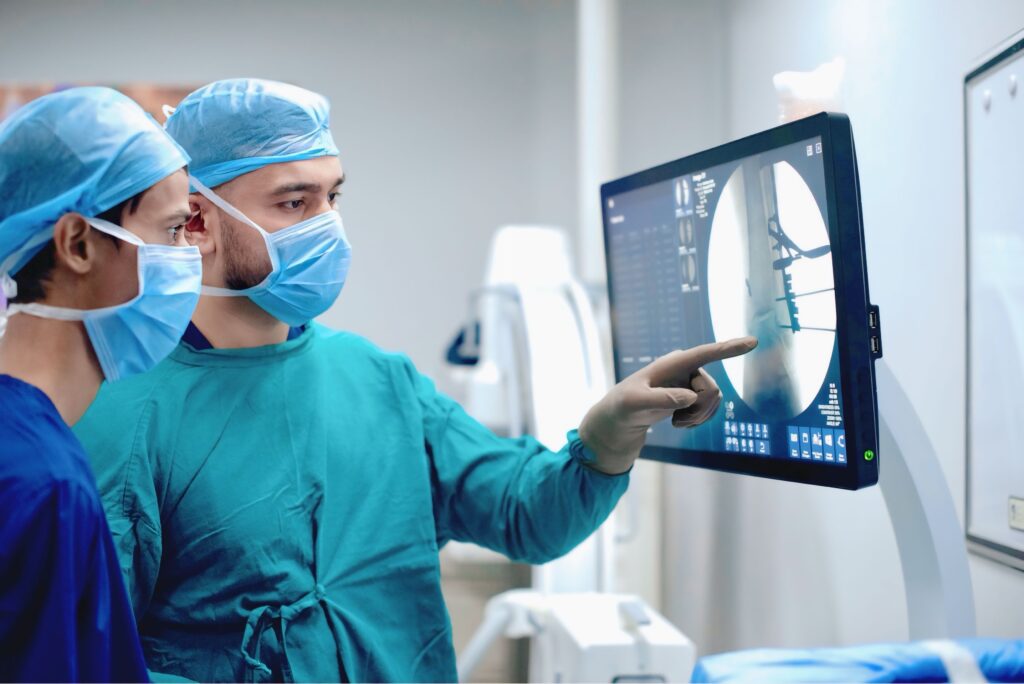 For countless individuals in India, persistent knee pain has become an unwelcome companion, turning simple joys like walking in the park, playing with grandchildren, or performing daily prayers into daunting challenges. When conservative treatments no longer provide relief, knee replacement surgery offers a well-established path back to mobility. Today, a significant evolution in this field combines the irreplaceable skill of the surgeon with the sub-millimeter precision of advanced technology. This guide explores robotic knee replacement surgery, a procedure designed not just to replace a joint, but to meticulously restore your natural movement and quality of life with unprecedented accuracy.
Led by Consultant Orthopaedic Surgeon & Robotic Joint Replacement Specialist, Dr. Ankit Vilas Meshram, our practice in the Western Suburbs of Mumbai is dedicated to this precise, patient-centric approach. With over 15 years of clinical experience, Dr. Meshram provides structured, evidence-based care, ensuring continuity from your first consultation through surgery and recovery. This article will help you understand how robotic knee surgery is transforming outcomes and why it might be the right choice for your journey back to an active, pain-free life.
Understanding Robotic Knee Joint Replacement Surgery
What Is Robotic Knee Replacement surgeries?
Robotic knee replacement is an advanced surgical technique where your orthopaedic surgeon uses a computer-assisted robotic arm to execute a highly personalized surgical plan. It is crucial to understand that the robot does not perform the surgery on its own. Instead, think of it as the most sophisticated surgical instrument available, guided 100% by the surgeon’s expertise. This technology translates the surgeon’s plan into action with exceptional accuracy, helping to position your new knee implant optimally for long-term function and comfort.
How Robotic Technology Enhances Knee Surgery Accuracy
The core advantage lies in planning and precision. Prior to surgery, advanced imaging is used to create a detailed 3D virtual model of your unique knee anatomy. This allows your surgeon to meticulously plan the procedure, selecting the ideal implant size and determining its perfect position and alignment before entering the operating room. During the robotic knee replacement surgery, the system provides real-time feedback, enabling the surgeon to make fine adjustments based on your specific soft tissue tensions, ensuring a perfectly balanced joint.
Difference Between Robotic-Assisted & Traditional Knee Replacement
The fundamental goal—replacing a damaged knee joint—is the same. The difference lies in execution. Traditional surgery relies on manual instruments and the surgeon’s visual and tactile judgment. Robotic-assisted surgery augments this judgment with data-driven precision.
What truly makes a difference is precision you can trust. With robotic-assisted surgery, implants are placed with remarkable accuracy. In fact, studies reveal that only 16% of robotic procedures miss the ideal alignment, while traditional surgeries struggle much more, with nearly 76% falling outside the optimal range. That difference means better balance, smoother movement, and greater confidence in every step you take after surgery.
This enhanced accuracy is a key factor in improving patient satisfaction and potentially extending the life of the implant.
Why Robotic Knee Replacement Surgeons Is a Game-Changer
Sub-Millimeter Precision & Personalized Surgical Planning
Every knee is unique. Robotic technology honors this individuality by facilitating a truly custom-fit procedure. The pre-operative 3D plan is tailored to your exact bone structure, which helps in preserving your healthy bone and soft tissue while targeting only the damaged areas.
Less Bone Damage, More Natural Knee Movement
Because the robotic arm’s movement can be confined to a pre-defined surgical plan, it allows for extremely precise bone cuts. This bone conservation and accurate implant placement contribute to a knee that feels more natural and stable after recovery.
Reduced Pain, Blood Loss & Surgical Errors
The minimally invasive nature of the procedure, made possible by this precision, typically results in less trauma to surrounding tissues. Patients often experience less post-operative pain, reduced blood loss during surgery, and a lower risk of complications related to implant positioning errors.
Faster Recovery and Shorter Hospital Stay
With smaller incisions and less tissue disruption, the body can heal more efficiently. Many patients are able to begin walking with support within 24 hours and often have a shorter hospital stay compared to traditional surgery. This accelerates the overall journey back to daily activities.
Who Is the Right Candidate for Robotic Knee Replacement?
Severe Knee Arthritis – Osteoarthritis & Rheumatoid Arthritis
The most common candidates are individuals suffering from end-stage arthritis where cartilage is severely worn down, causing persistent pain, stiffness, and deformity that limits daily function.
Failed Conservative Treatments (Medication & Physiotherapy)
Robotic knee surgery is typically considered when non-surgical options—such as medications, injections, physiotherapy, and lifestyle modifications—have been fully explored but no longer provide adequate relief.
Age, Lifestyle & Activity Level Considerations
Contrary to some myths, this technology is not reserved only for the young or elite athletes. It benefits a wide range of patients, from younger, active individuals seeking a durable, high-performance joint, to older adults who desire the safest procedure with the most predictable recovery.
Who May Not Be Eligible for Robotic Surgery?
While widely applicable, certain complex medical conditions, infections, or insufficient bone quality may require alternative approaches. A thorough evaluation with an experienced surgeon like Dr. Meshram is essential to determine the best path for your specific health profile.
Robotic Knee Replacement vs Traditional Knee Replacement
To help visualize the key differences, here is a comparison based on clinical data and patient reports:
| Feature | Robotic-Assisted Knee Replacement | Traditional Knee Replacement |
|---|---|---|
| Surgical Planning | Personalized 3D virtual model created from CT scans | Standardized planning based on 2D X-rays and intraoperative measurements |
| Precision & Accuracy | Sub-millimeter accuracy in bone cuts and implant placement | Manual jigs dependent on surgeon skill; higher risk of alignment variation |
| Soft Tissue Approach | Minimally invasive, focused on preserving healthy ligaments and tissue | Larger exposure often required to fully visualize the joint |
| Recovery Indicators | Shorter hospital stay and quicker initial mobilization in many cases | Standard recovery timeline, varying by patient and surgical technique |
| Patient Satisfaction | Very high satisfaction reported (up to ~94% in published studies) | Historically ~80% satisfaction, with ~20% reporting persistent issues |
Cost of Robotic Knee Replacement in India
Understanding the financial investment is a crucial part of planning your surgery. The cost of robotic knee replacement surgery in India varies based on several factors.
Average Cost in Metro vs Tier-2 Cities
The city and hospital you choose significantly impact the cost. Metropolitan cities generally have higher prices due to advanced infrastructure and operational costs.
- Mumbai: ₹3,00,000 – ₹6,00,000
- Delhi NCR: ₹3,00,000 – ₹4,50,000
- Bangalore / Chennai / Hyderabad: ₹2,50,000 – ₹4,50,000
- Tier-2 Cities (e.g., Pune, Ahmedabad): ₹2,50,000 – ₹3,50,000
Factors Affecting Robotic Knee Replacement Cost
- Hospital Tier: Premium NABH/JCI-accredited hospitals cost more than mid-tier facilities.
- Surgeon’s Expertise: Fees vary with the surgeon’s experience and specialization in robotic procedures.
- Implant Type: Premium imported implants (₹1.5-2.5 lakhs) are more expensive than standard or Indian-made options.
- Insurance Coverage: As mandated by IRDAI, most insurers now cover robotic knee surgery, though sub-limits and co-payments may apply.
Is Robotic Knee Surgery Worth the Extra Cost?
While the upfront cost is typically 15-30% higher than traditional surgery, the long-term value can be significant. The potential for fewer complications, a lower likelihood of requiring revision surgery, and a faster return to work and daily life contribute to its overall cost-effectiveness.
Success Rate & Long-Term Results of Robotic Knee Replacement
Clinical Success Rates & Patient Satisfaction
The ultimate measure of success is how patients feel after surgery. A 2024 study focusing on patient happiness found that 95% of patients were happy they had robotic-assisted surgery, and 93% were happy with the outcome. This surpasses the traditional benchmark and highlights how precision translates to patient satisfaction.
Implant Longevity & Durability
Proper alignment is one of the most critical factors for the long-term survival of a knee implant. By consistently achieving accurate placement and optimal soft-tissue balance, robotic knee replacement aims to reduce uneven wear, thereby contributing to the implant’s durability and longevity.
Life After Robotic Knee Replacement – What to Expect
Patients can look forward to a life with significantly reduced or eliminated arthritic pain. Goals include restored mobility for daily activities, improved sleep, and the ability to enjoy hobbies and social engagements without constant discomfort. While high-impact sports may still be limited, activities like walking, swimming, cycling, and golf become accessible again.
Choosing the Right Surgeon & Hospital for Robotic Knee Replacement
Why Surgeon Experience Matters More Than Technology
The robot is a tool, and its effectiveness depends entirely on the surgeon wielding it. A skilled surgeon uses the technology to enhance their outcomes, not replace their judgment. Dr. Ankit Meshram’s 15+ years of orthopaedic expertise, combined with specialized training in robotic systems like the Johnson & Johnson VELYS Robotic-Assisted Solution, ensures that technology serves a masterful clinical strategy.
Questions to Ask Your Orthopedic Surgeon
- What is your experience and success rate with robotic knee replacements?
- Which robotic platform do you use, and why?
- Am I a good candidate for this approach based on my specific condition?
- What does the entire care pathway, from pre-op to rehab, look like?
Importance of Certified Robotic Systems & NABH Hospitals
Choose a hospital that invests in certified, modern robotic systems and maintains high standards of care. NABH accreditation is a strong indicator of quality infrastructure, infection control protocols, and patient safety measures, all of which are vital for a successful surgical outcome.
Robotic Knee Replacement – Myths vs Facts
“Robot Performs the Surgery” – Myth Explained
This is the most common myth. The surgeon performs every step of the procedure. The robotic system is a sophisticated assistant that provides precision and feedback, but the surgeon remains in complete control at all times.
Pain & Recovery Misconceptions
Many believe new technology means more risk and a harder recovery. In reality, the minimally invasive precision often leads to less post-operative pain, a shorter hospital stay, and a faster initial recovery compared to traditional methods.
Age & Weight Myths Around Knee Replacement
Robotic assistance is not exclusive to any age group or body type. It is a versatile tool that can be particularly beneficial for achieving precise outcomes in patients with varying anatomies and activity levels.
Final Thoughts – Is Robotic Knee Replacement the Right Choice for You?
The decision to undergo robotic knee replacement surgery is a significant one, blending considerations of health, technology, and personal well-being. This advanced approach represents a powerful partnership between surgeon expertise and technological precision, aiming to deliver a more predictable, personalized, and satisfying result.
If chronic knee pain is diminishing your quality of life, an informed consultation is the first step. Consultant Orthopaedic Surgeon & Robotic Joint Replacement Specialist, Dr. Ankit Vilas Meshram, is committed to guiding you through this decision with clarity and compassion. Together, you can evaluate your condition, discuss all options, and determine if a robotic-assisted path is your best route back to pain-free movement and independence.
Take the First Step Toward Pain-Free Movement. Contact our practice in the Western Suburbs of Mumbai to schedule a comprehensive consultation and begin your structured journey to recovery.
Follow us on Facebook
